
The Values Behind GAP School
Walk onto our 35 acres on any given morning and you might find a group of kindergartners crouched over a log, a pair of sixth graders debating about how to measure a creek, or a nine-year-old sitting perfectly still at her Sit Spot, waiting for a chickadee to come back. It can look like a lot of different things happening at once. Underneath it all are six values that guide nearly everything we do at Green Adventure Project School.
Our values are creativity, nature connection, curiosity, collaboration, compassion and growth. They are more than words on a wall. They shape how we design learning, how we build relationships, how we support each child, and how we make decisions as a school. Together, they reflect what we believe about education: that it should help children become capable learners who are connected to themselves, to one another, and to the world around them.
Here is what each one means to us, and what it looks like in a GAP day.
Creativity
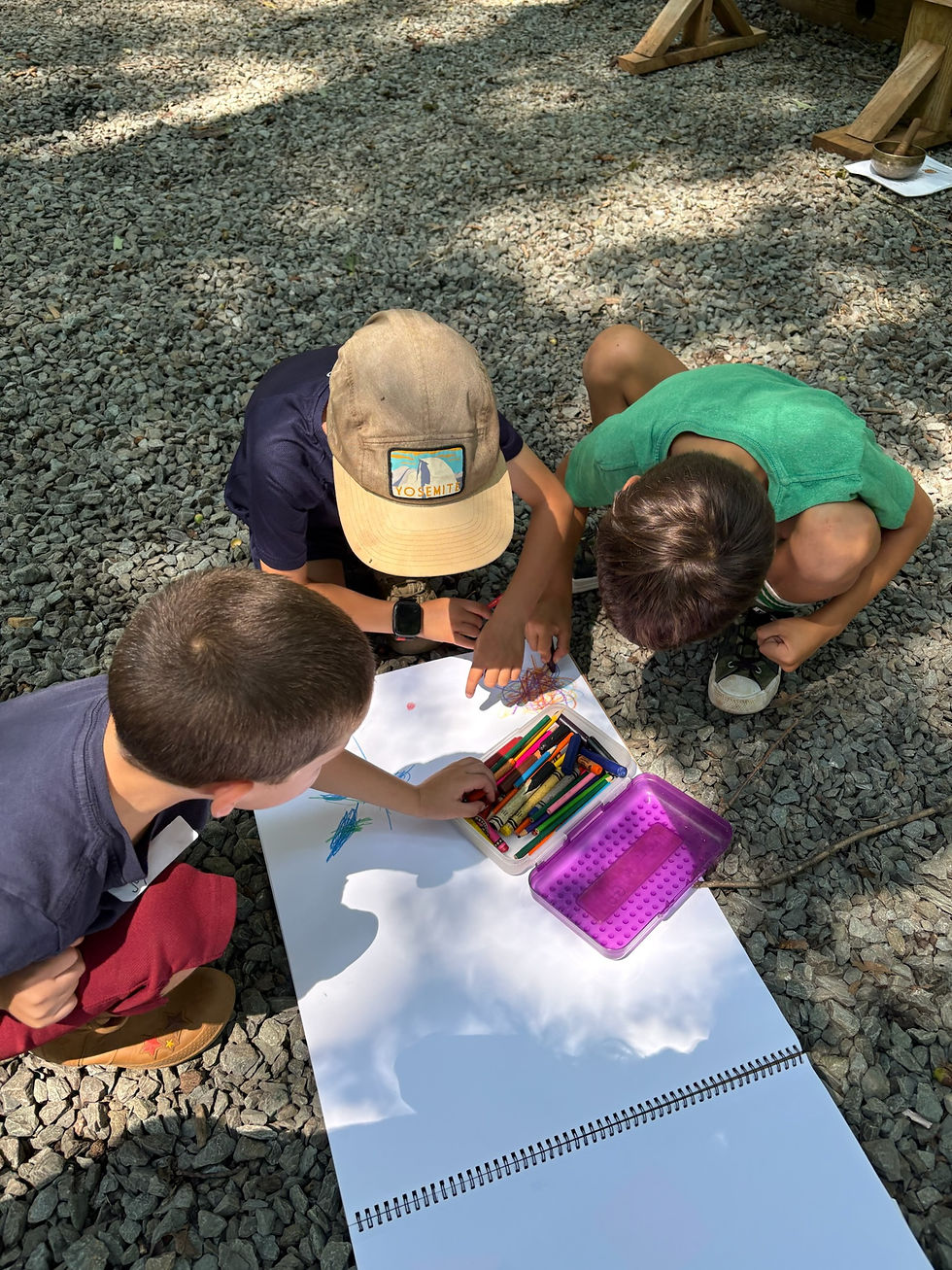
We believe learning should make room for imagination, original thinking, and more than one way to solve a problem. At GAP, children build, make, write, experiment, perform and invent. Instead of hunting for the one right answer, they're encouraged to try a different approach and see what happens. Creativity shows up in a fort design, a poem, a math strategy, and in finding a fair way to share the best climbing tree.
Nature connection
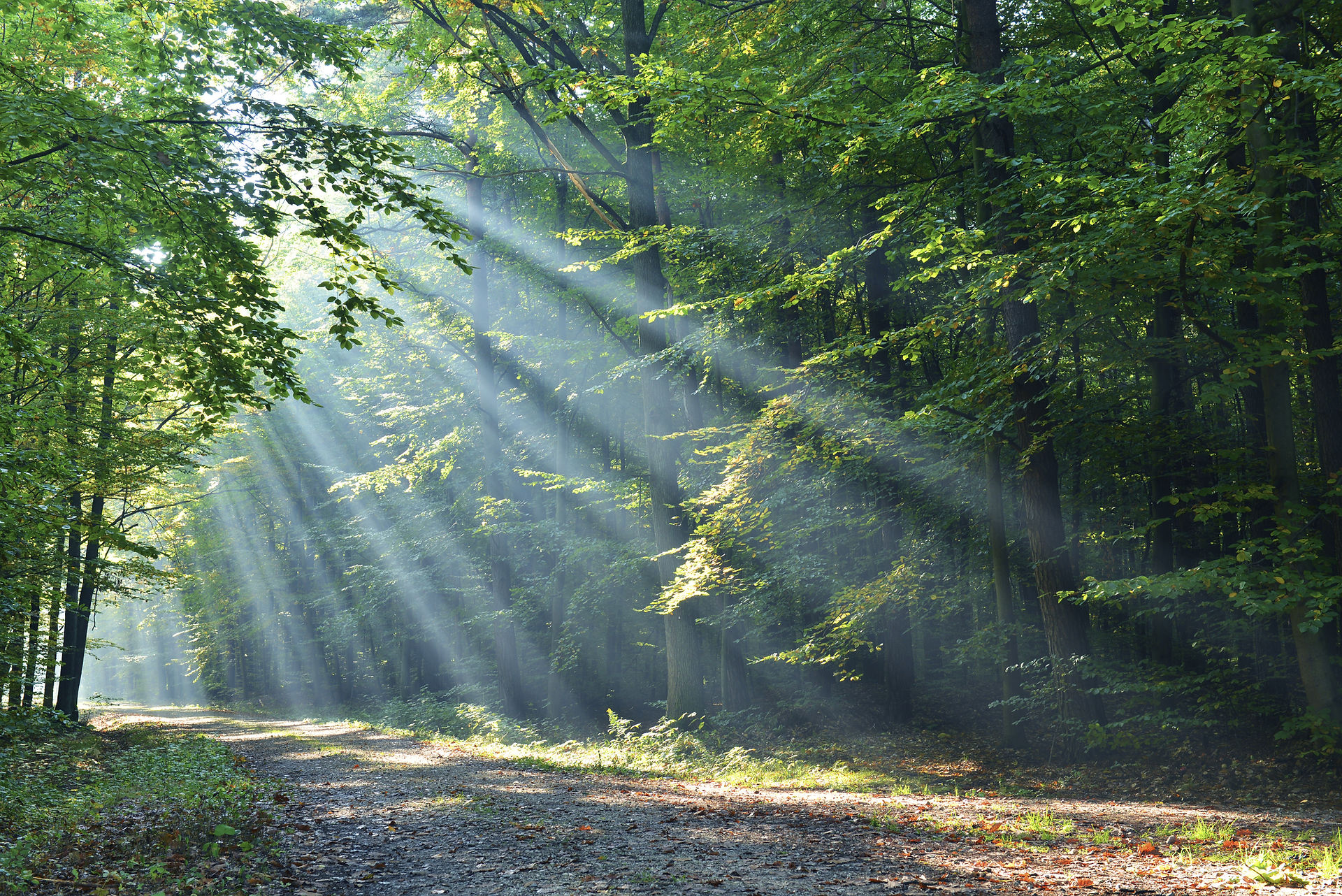
We believe children benefit from a real, ongoing relationship with the natural world. Our learners spend most of their school days outside, in every kind of weather and every season. Routines like Sit Spots, nature journaling and quiet observation help them slow down and notice. The outdoors isn't just where school happens; it's where the questions, challenges and discoveries come from. Over time, children come to know this land, and to care for it.
Curiosity
We believe questions are at the heart of learning. Curiosity gives children a reason to investigate, to keep going when something is hard, and to make meaning of what they find. Learning at GAP often begins with noticing and wondering. Children learn to ask stronger questions, gather information, test their ideas, and change their thinking when the evidence says so. We balance that inquiry with clear, direct teaching, so children build strong foundations they can use on their own. And we work hard to make "I don't know yet" feel like an invitation, not a dead end.
Collaboration
We believe learning and community grow stronger when people work with, listen to, and learn from one another. Our mixed-age groups give older learners real chances to lead and mentor, and give younger learners someone to look up to. Children practice sharing ideas, listening to different perspectives, working through disagreements and sharing responsibility. Collaboration is a skill, and like any skill it takes practice, reflection and support. It extends to the grown-ups, too: we see our relationships with families as partnerships built on communication and trust.
Compassion
We believe every member of our community deserves to be known, respected, and treated with care. Relationships come first at GAP. When a child is struggling, we try to understand the need behind the behavior while still holding clear expectations. We teach the skills of noticing feelings, calming our bodies, resolving conflict and seeing things from someone else's side. We make room for the many different ways children communicate, participate and show what they know. And we encourage them to care for one another, for our community, and for the natural world.
Growth
We believe learning is an ongoing process that needs challenge, reflection, practice, feedback, and the freedom to make mistakes. We focus on each child's progress toward clear skills and standards, never on comparing children to one another. Learners come to understand what they can do now, what they're working toward, and what comes next. Struggle, revision and mistakes are a normal, welcome part of learning here. And growth isn't only for children: our educators, and our school itself, keep reflecting, learning and improving too.
How the values work together
We don't teach these values one at a time, as separate lessons. They show up together, in ordinary moments, all day long.
Picture a group of learners who stumble across a box turtle on a morning hike. It starts with curiosity: Why is the turtle here? Where did it come from, and where is it going? They want to help, and that takes creativity as they think through the best way to support it. They collaborate, talking through what the next step should be. When they disagree, they practice compassion, listening to each other’s ideas and keeping the turtle’s needs at the center. Out come the nature journals. They measure the turtle’s shell and use words and drawings to tell the story of its journey. Along the way, they learn that box turtles spend their whole lives in a small home area, so the kindest choice is to leave it right where they found it. When the evidence changes their thinking, that’s growth. And every step deepens their connection to a place they visit every week.
That's the kind of school culture we're building: one where children and adults experience and practice these values every day. The values also guide us as a school. We use them to think about how we design programs, how adults work together, how we support learners, and whether what we're doing still matches the community we want to be.
Come see it for yourself
Values are easiest to understand when you see them in action. If you're curious about what a day at GAP feels like, we'd love to show you. Join us for an info session or book a tour, and come walk the trails with us.


Comments