
Before We Ask Them to Learn Together, We Help Them Become a Flock
Recently, we shared a little about the intentionality behind professional development at GAP. Before learners ever arrived, our educators spent time together thinking, playing, problem-solving, asking questions, wrestling with ideas, and building relationships.

We don’t expect a group of adults to walk into a room and instantly become a strong team simply because they all work at the same school. Turns out, we don’t expect that of kids either.
It can be tempting, especially at the beginning of a school year, to get everyone settled and jump straight into academics. There is so much to do! Books to read. Math to tackle. Questions to investigate. Projects to begin. But before we ask learners to do all of that together, we need to help them learn how to be together.
We ask a lot of our learners every day, and it’s important that we take the time to help them understand what those expectations actually mean. We’ll ask them to share ideas before they’re completely sure of them. To work with people they wouldn’t necessarily choose. To disagree. Give and receive feedback. Ask for help. Try something hard in front of other people. Lead. Follow. Make mistakes. Repair things when they don’t go well. And then come back the next day and do it all over again.
That’s a lot.
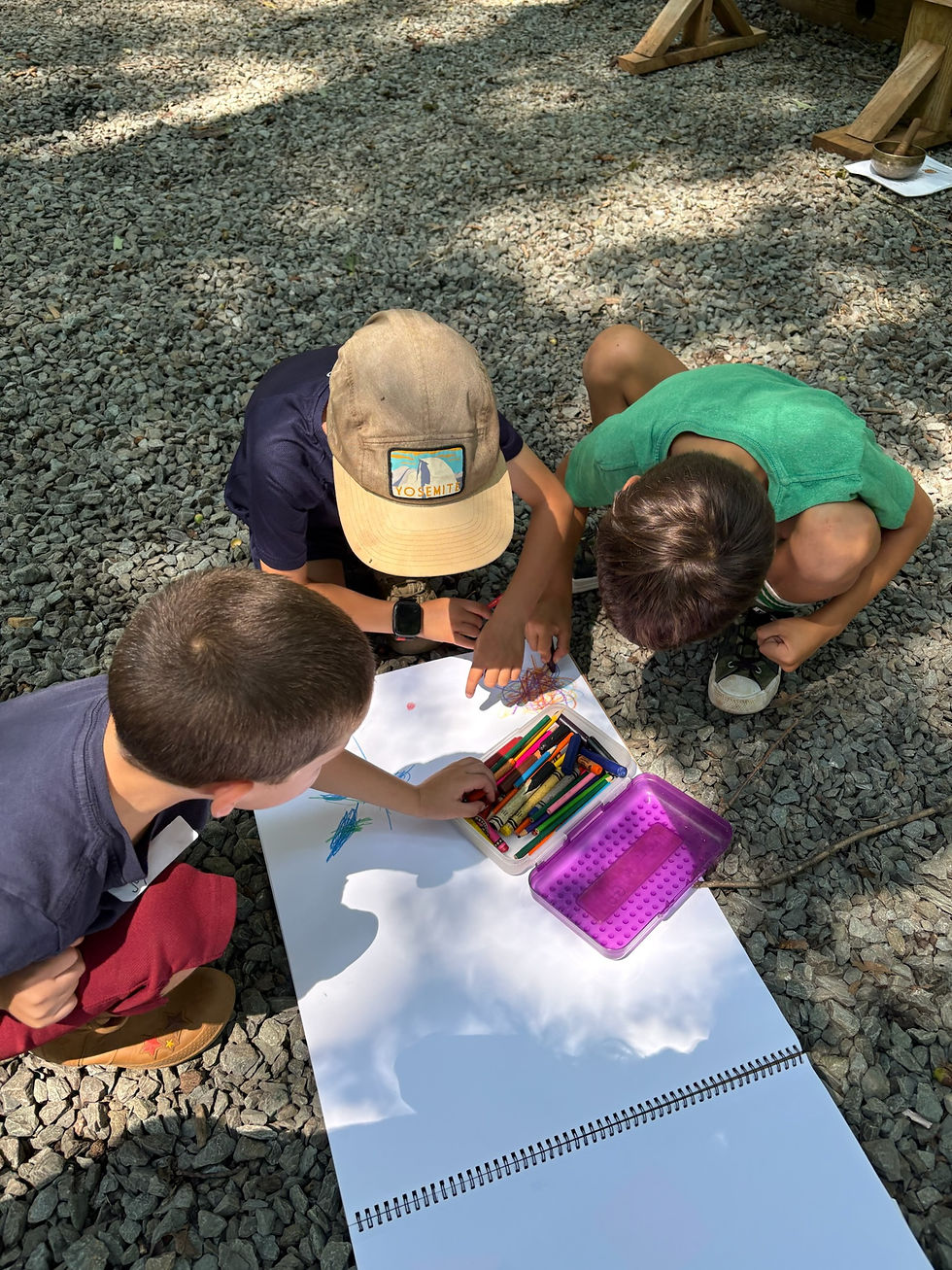
So we don’t leave the community part to chance. Flock Development gives learners intentional opportunities to get to know one another, build trust, tackle challenges together, talk about how they want their community to feel, and figure out what each person brings to the group.

Sometimes that looks like games. Sometimes it’s a team challenge. Sometimes it’s a conversation that takes longer than we planned. And sometimes it means stopping what we’re doing because something isn’t working and figuring it out together.
From the outside, those moments might look like a break from the “real” learning.
We don’t see it that way. This is part of the real learning.
A group that knows how to disagree, regroup, laugh together, and try again can tackle much harder things than a group of individuals simply sitting beside one another. It’s one of the reasons we intentionally go a little slower at the beginning of the year.
We’re not in a hurry to make school look productive. We’re building the conditions that allow deeper learning to happen all year long.

And we don’t expect that, a few weeks into school, the work of building a flock will be finished. It won’t be. Communities are living things. They need attention. New challenges appear. Relationships shift. Conflicts happen. People grow. We’ll keep working on it.
Because at GAP School, community isn’t something we build before the learning begins. It’s part of how the learning happens.


Comments