%20-%204.png)
Protecting Childhood
- Melissa Laurie
- Jun 10
- 2 min read
Recently, I've found myself thinking about a simple question: What does it mean to protect childhood?
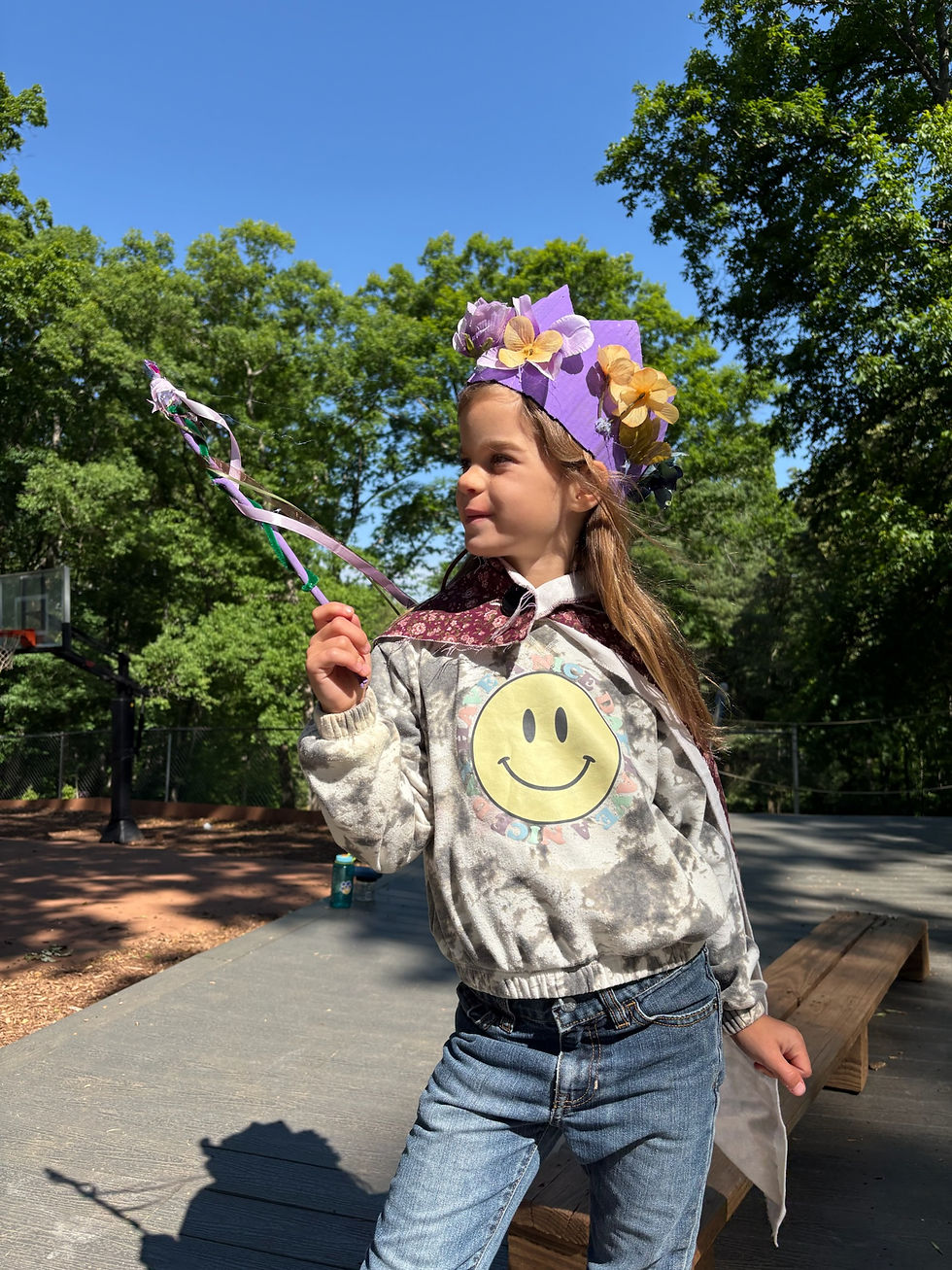
Not preserve it in amber. Not pretend the world hasn't changed. Not reject technology or modern life. Simply protect it. Because childhood feels different than it did when many of us were growing up.
Children today are navigating a world that is louder, faster, more connected, more scheduled, and more carefully managed than ever before. They are exposed to more information, more expectations, and more distractions than previous generations could have imagined.
At the same time, many of the experiences that once defined childhood are quietly disappearing. Unstructured play. Neighborhood adventures. Boredom. Long afternoons spent outside. Climbing trees. Building forts. Figuring things out without an adult stepping in. Time to wonder.
As both a parent and an educator, I find myself asking: What do children actually need?
The answer isn't particularly complicated. Children need to be known. They need meaningful relationships with caring adults. They need opportunities to take risks, solve problems, make mistakes, and try again. They need time outdoors. They need room to move. They need responsibilities that help them feel capable. They need opportunities to contribute. They need wonder. They need boredom. And perhaps most importantly, they need time. Time to become who they are.
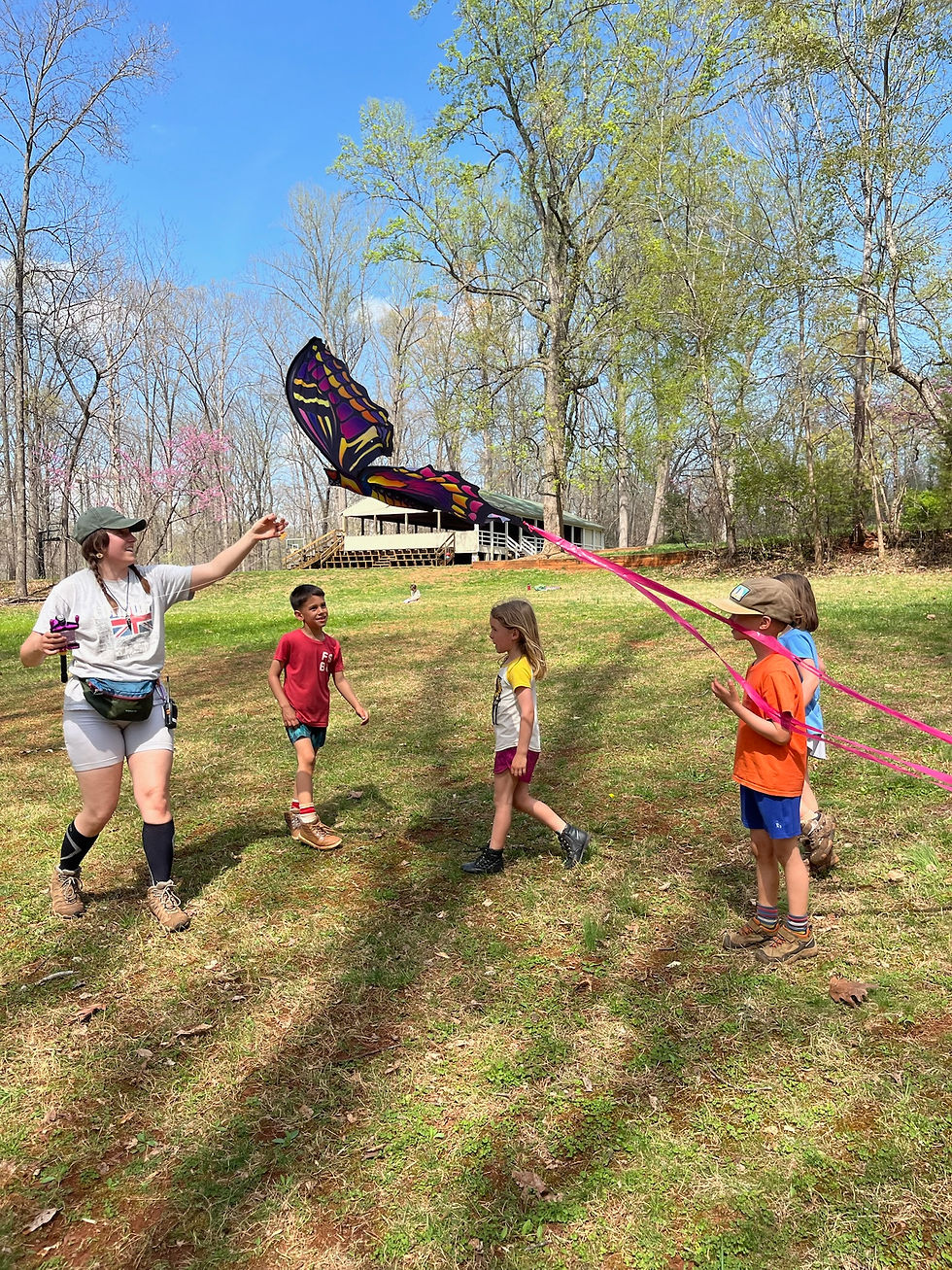
One of the things I love most about working with children is that they constantly remind us what matters. A kindergartener who spends twenty minutes watching a skink disappear beneath a log. A group of learners completely absorbed in building a fort. A child who asks a question so thoughtful that everyone stops and thinks. A family sitting around a campfire sharing stories.
These moments can seem small. They're not. They are the building blocks of childhood.
The challenge is that many of these experiences don't look particularly productive from the outside. Watching clouds doesn't produce a grade. Exploring a creek doesn't generate a test score. Being bored doesn't look impressive on a resume.
Yet these experiences help children develop curiosity, resilience, creativity, confidence, problem-solving skills, and a sense of connection to the world around them. In other words, they help children become fully human.
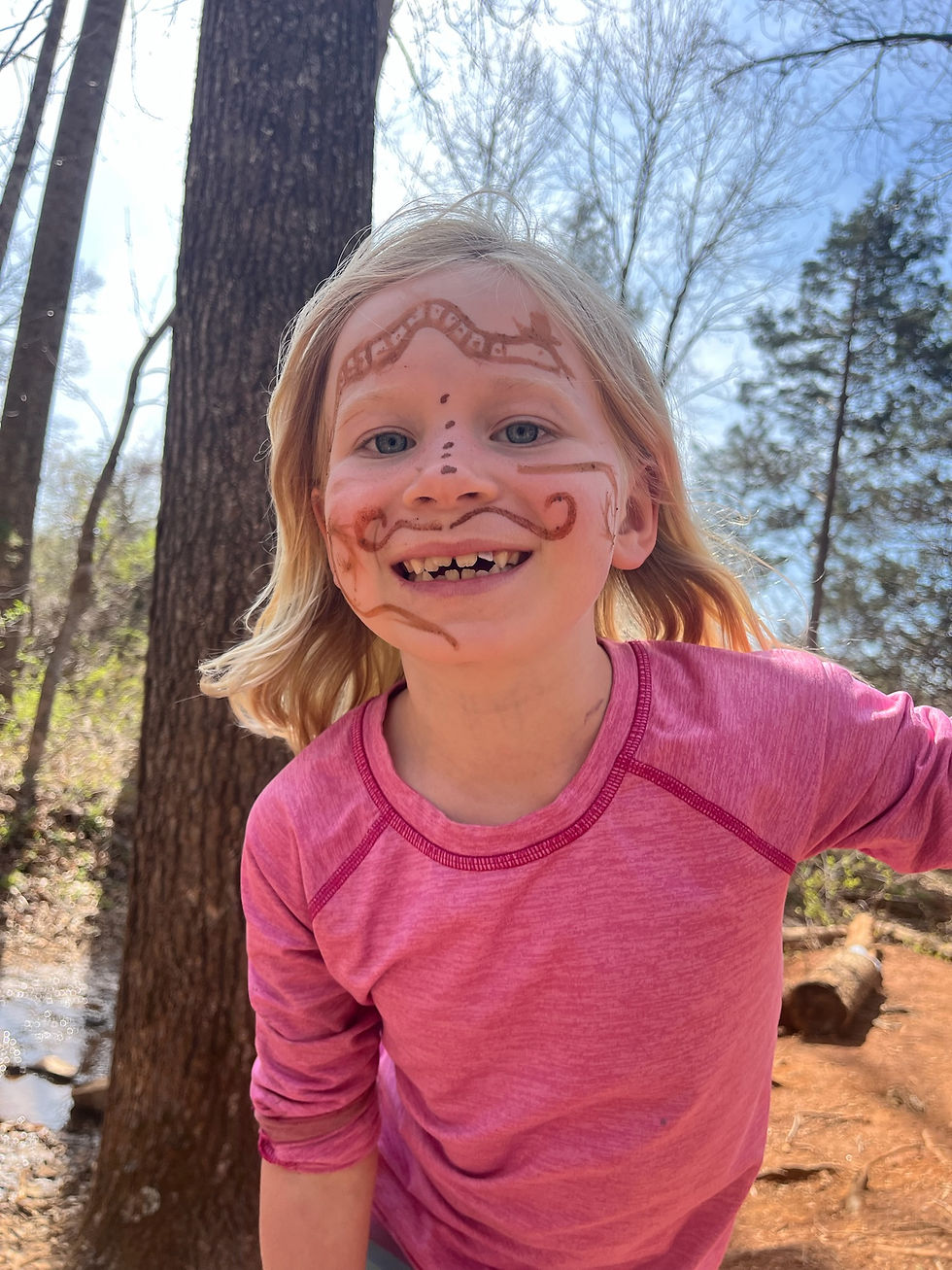
At Green Adventure Project School, protecting childhood isn't a program. It's a philosophy. It's why we spend so much time outdoors. It's why we value questions. It's why we believe relationships matter. It's why we make space for play, exploration, and meaningful work. It's why we believe learning can be both rigorous and joyful. And it's why we believe childhood is not something children should have to rush through.
The truth is, childhood is remarkably short.
There will be plenty of time for deadlines, schedules, responsibilities, and adult concerns. But there is only a brief window when a child will spend ten minutes examining a beetle, ask a hundred questions in a single afternoon, or believe that a stick found in the woods might be treasure.
Those moments are worth protecting. Not because they prepare children for the future. Because they are part of what makes childhood beautiful right now. And perhaps that's reason enough.
Curious About a Different Way to Do School?
Learn more: greenadventureprojectschool.org
Join our Newsletter: Download our Summer Wonder Guide
Meet us: Schedule a Tour
Let's chat: 434.996.3933


Comments